
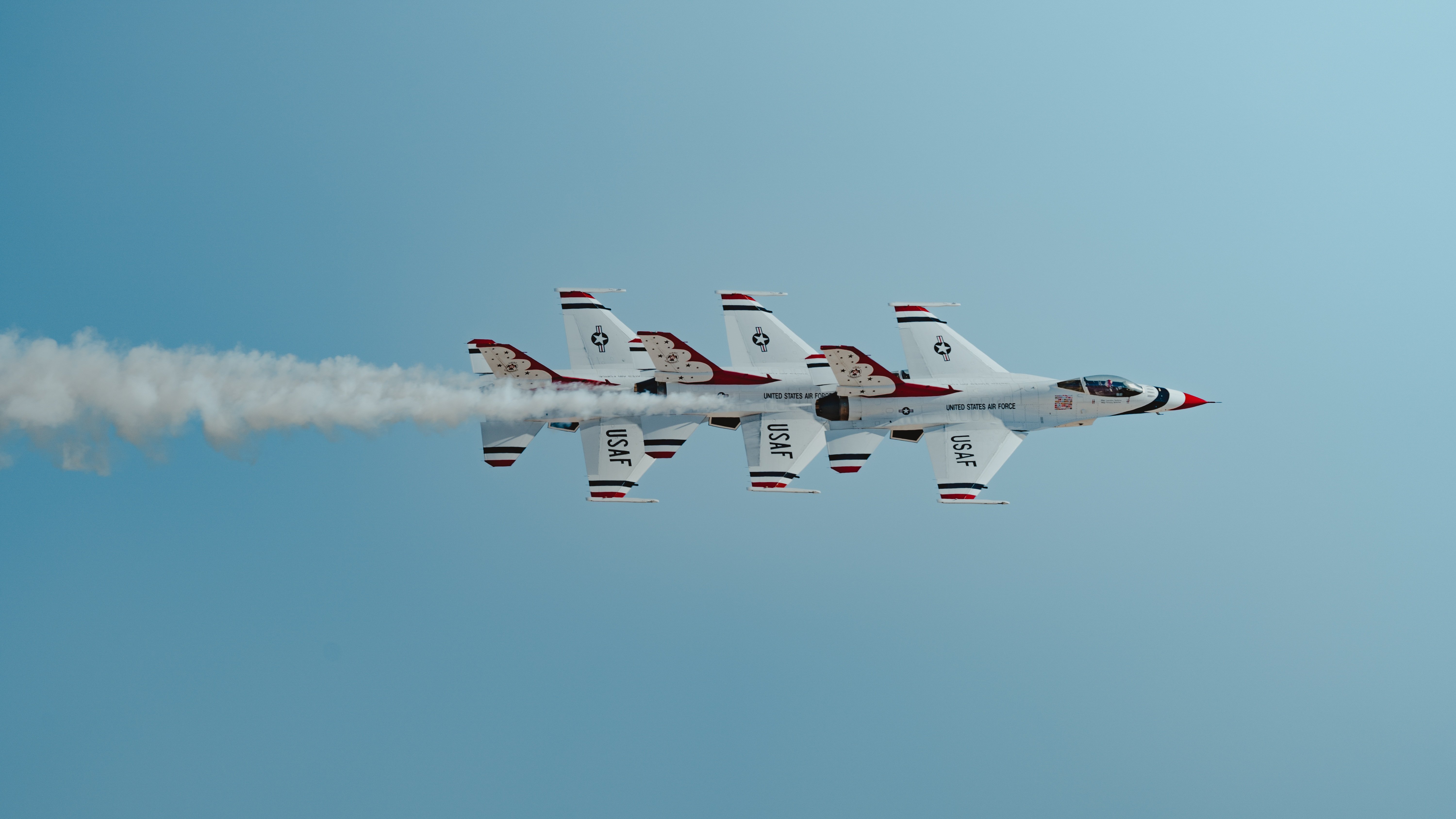
Military aviation often changes very quickly. New technology appears, and older aircraft are usually replaced within a few decades. However, a small number of aircraft designs have stayed in service for much longer. Some of them have been flying for more than half a century. These aircraft were built with strong structures, simple systems, and the ability to receive upgrades over time. Because of this, they have remained useful across many generations of pilots and missions.
Many of these aircraft were originally expected to serve for only 20 to 30 years. Instead, they kept flying thanks to regular improvements. Over the years, they received better engines, modern flight instruments, improved radar, and updated mission equipment. In some cases, the basic structure of the aircraft stayed the same while many internal systems were replaced.
These aircraft also perform roles that are still very important today. They carry cargo and troops, refuel other aircraft in the air, collect intelligence, and train new pilots. Because their missions are still needed, these aircraft continue to operate in many parts of the world. Some of them may even remain in service for several more decades.
Supersonic Trainer Used for Pilot Training
One of the longest-serving trainer aircraft first entered service in 1961. At the time, it became the first training jet capable of flying faster than the speed of sound. This allowed student pilots to experience high-speed flight early in their training.
The aircraft was designed with a light structure, thin wings, and two small jet engines. These features helped it reach speeds above Mach 1 while still being relatively simple and economical to operate. For many decades, it has been used to train pilots who later fly advanced combat aircraft.
Space agencies have also used this jet to help astronauts maintain flight skills. The aircraft requires careful handling, especially during landing, which helps pilots develop strong focus and precision.
Over the years, several upgrades have kept the aircraft useful. New digital displays, navigation systems, and strengthened structures have improved safety and performance. Even so, the age of the aircraft means that it will slowly be replaced by a newer trainer. By the time it retires, it will have served close to 70 years.
High-Altitude Reconnaissance Aircraft
Another aircraft with a long service history is a high-altitude reconnaissance plane that began flying in the mid-1950s. It was designed to fly extremely high, often above 70,000 feet. At this altitude, it could observe large areas of land while staying out of reach of many early defense systems.
This aircraft became famous during tense moments of the Cold War. Its cameras captured important images that helped leaders understand military activities in other countries. The information it collected played a major role in global security decisions.
Over time, the aircraft received many upgrades. Modern versions carry advanced cameras, radar sensors, and communication systems that can send information back to command centers quickly. Even in an era of satellites and unmanned aircraft, this reconnaissance plane has remained useful because it can be sent to new locations quickly and adjust its mission while in flight.
After nearly seven decades of service, the aircraft is now approaching the end of its operational life.
Aerial Refueling Aircraft
Long-range air operations became much easier after the introduction of aerial refueling aircraft in the late 1950s. These aircraft allow fighters, bombers, and transport planes to refuel while flying. Because of this ability, military aircraft can travel much farther without landing.
This refueling aircraft was based on an early jet transport design and entered service in 1957. It uses a special system that transfers fuel through a long boom extended from the rear of the aircraft.
Many of these aircraft have been updated with newer engines that reduce fuel use and lower noise. The improvements also lowered operating costs and increased reliability. A single mission can transfer a very large amount of fuel to other aircraft, allowing long flights and extended patrols.
Although newer refueling aircraft are being introduced, this older design continues to support missions around the world. It is expected to remain active into the 2030s.
Versatile Military Transport Aircraft
One of the most successful transport aircraft ever built began service in 1956. It was designed to carry cargo, troops, and equipment into areas where large aircraft cannot operate. With high wings, strong landing gear, and four turboprop engines, it can take off and land on short and rough runways.
This aircraft is known for its flexibility. Over time, it has been adapted for many different roles. Some versions support rescue missions, firefighting, weather research, and medical evacuation. Others assist special operations or carry large supplies during humanitarian relief efforts.
The aircraft can transport tens of thousands of pounds of equipment or a large number of soldiers. Its cargo area can also be quickly rearranged depending on the mission.
Even after many decades, new versions of this transport aircraft are still being produced with improved technology and more efficient engines. Because of its strong design and flexibility, it will likely remain in service for many years to come.
Long-Range Strategic Bomber
The aircraft with the longest service life in military aviation is a large long-range bomber that first flew in the early 1950s and entered service in 1955. It was originally designed to carry nuclear weapons across long distances during the Cold War.
This aircraft is very large, with a wingspan of more than 180 feet. It can carry heavy loads of weapons and equipment. Its range is also impressive, allowing it to fly thousands of miles without refueling. With aerial refueling, missions can last more than a full day.
Over time, the bomber has changed its role. Instead of focusing only on nuclear missions, it now carries a wide range of modern weapons for different types of operations. It has been used in several conflicts over the past decades.
Many upgrades have helped keep the aircraft effective. These improvements include new engines, modern radar systems, digital flight controls, and updated weapon systems. Because of these changes, the bomber may remain in service until around 2060, nearly 100 years after its first flight.
German Translation (Deutsch)
Fünf Militärflugzeuge mit der längsten Einsatzzeit
In der Militärluftfahrt entwickelt sich die Technik oft sehr schnell. Neue Flugzeuge werden gebaut, und ältere Modelle werden meist nach einigen Jahrzehnten ersetzt. Dennoch gibt es einige Flugzeuge, die viel länger im Einsatz geblieben sind. Manche von ihnen fliegen seit mehr als fünfzig Jahren.
Der Grund für ihre lange Lebensdauer liegt in ihrer starken Bauweise und ihrer einfachen, aber zuverlässigen Technik. Viele dieser Flugzeuge wurden im Laufe der Zeit mehrfach modernisiert. Neue Triebwerke, moderne Instrumente, bessere Radarsysteme und andere Verbesserungen haben ihre Fähigkeiten erweitert.
Diese Flugzeuge erfüllen auch heute noch wichtige Aufgaben. Sie transportieren Soldaten und Ausrüstung, betanken andere Flugzeuge in der Luft, sammeln Informationen oder dienen zur Ausbildung von Piloten. Deshalb bleiben sie trotz ihres Alters weiterhin im Einsatz.
Überschall-Trainingsflugzeug
Ein Trainingsflugzeug, das 1961 in Dienst gestellt wurde, war das erste Trainingsflugzeug der Welt, das schneller als der Schall fliegen konnte. Dadurch konnten junge Piloten schon früh Erfahrungen mit sehr schnellen Flugzeugen sammeln.
Das Flugzeug besitzt eine leichte Bauweise, dünne Flügel und zwei kleine Triebwerke. Diese Eigenschaften ermöglichen hohe Geschwindigkeiten bei gleichzeitig relativ einfachen Betriebskosten.
Viele Militärpiloten wurden über Jahrzehnte hinweg in diesem Flugzeug ausgebildet. Auch Astronauten nutzen es, um ihre Flugfähigkeiten zu erhalten. Mehrere Modernisierungen mit neuen Anzeigen und Navigationssystemen haben das Flugzeug lange einsatzfähig gehalten.
Aufklärungsflugzeug für große Höhen
Ein weiteres sehr langlebiges Flugzeug ist ein Aufklärungsflugzeug, das in sehr großen Höhen fliegen kann. Es wurde in den 1950er-Jahren entwickelt und kann über 70.000 Fuß hoch steigen.
Aus dieser Höhe kann es große Gebiete beobachten und wichtige Bilder aufnehmen. Während des Kalten Krieges spielte dieses Flugzeug eine wichtige Rolle bei der Sammlung von Informationen.
Im Laufe der Jahre erhielt es moderne Kameras, Radarsensoren und Kommunikationssysteme. Dadurch kann es Daten schnell an Bodenzentren senden. Trotz moderner Satelliten blieb dieses Flugzeug lange wichtig, da es flexibel eingesetzt werden kann.
Tankflugzeug für Luftbetankung
Ein Tankflugzeug aus den späten 1950er-Jahren machte lange Flugmissionen viel einfacher. Es kann andere Flugzeuge während des Fluges mit Treibstoff versorgen. Dadurch können Kampfflugzeuge und Bomber viel weiter fliegen.
Das Flugzeug nutzt ein spezielles System, bei dem ein langer Ausleger Treibstoff an andere Flugzeuge überträgt. Im Laufe der Zeit wurden neue Triebwerke eingebaut, die den Treibstoffverbrauch senken und den Betrieb verbessern.
Auch heute unterstützt dieses Flugzeug viele Missionen weltweit und wird voraussichtlich noch einige Jahre im Einsatz bleiben.
Vielseitiges Transportflugzeug
Ein sehr bekanntes Transportflugzeug trat 1956 in den Dienst. Es wurde entwickelt, um Soldaten und Ausrüstung auch auf kurzen oder unbefestigten Landebahnen zu transportieren.
Dank seiner hohen Flügel, starken Räder und vier Turboprop-Triebwerke kann es auch in schwierigen Regionen landen. Das Flugzeug wird für viele Aufgaben eingesetzt, zum Beispiel für Rettungsflüge, Feuerbekämpfung, medizinische Transporte und Hilfseinsätze nach Naturkatastrophen.
Seine Flexibilität und robuste Bauweise sorgen dafür, dass es auch nach vielen Jahrzehnten weiterhin genutzt wird.
Strategischer Langstreckenbomber
Das Flugzeug mit der längsten Einsatzzeit ist ein großer Langstreckenbomber aus den frühen 1950er-Jahren. Es wurde ursprünglich entwickelt, um während des Kalten Krieges schwere Waffen über große Entfernungen zu transportieren.
Der Bomber kann eine große Menge an Ausrüstung tragen und sehr lange Strecken fliegen. Mit Luftbetankung kann eine Mission sogar mehr als einen Tag dauern.
Viele Modernisierungen haben das Flugzeug an neue Aufgaben angepasst. Neue Triebwerke, moderne Technik und verbesserte Waffensysteme sorgen dafür, dass es auch heute noch eingesetzt wird. Es ist möglich, dass dieses Flugzeug fast hundert Jahre nach seinem ersten Flug noch immer im Dienst steht.